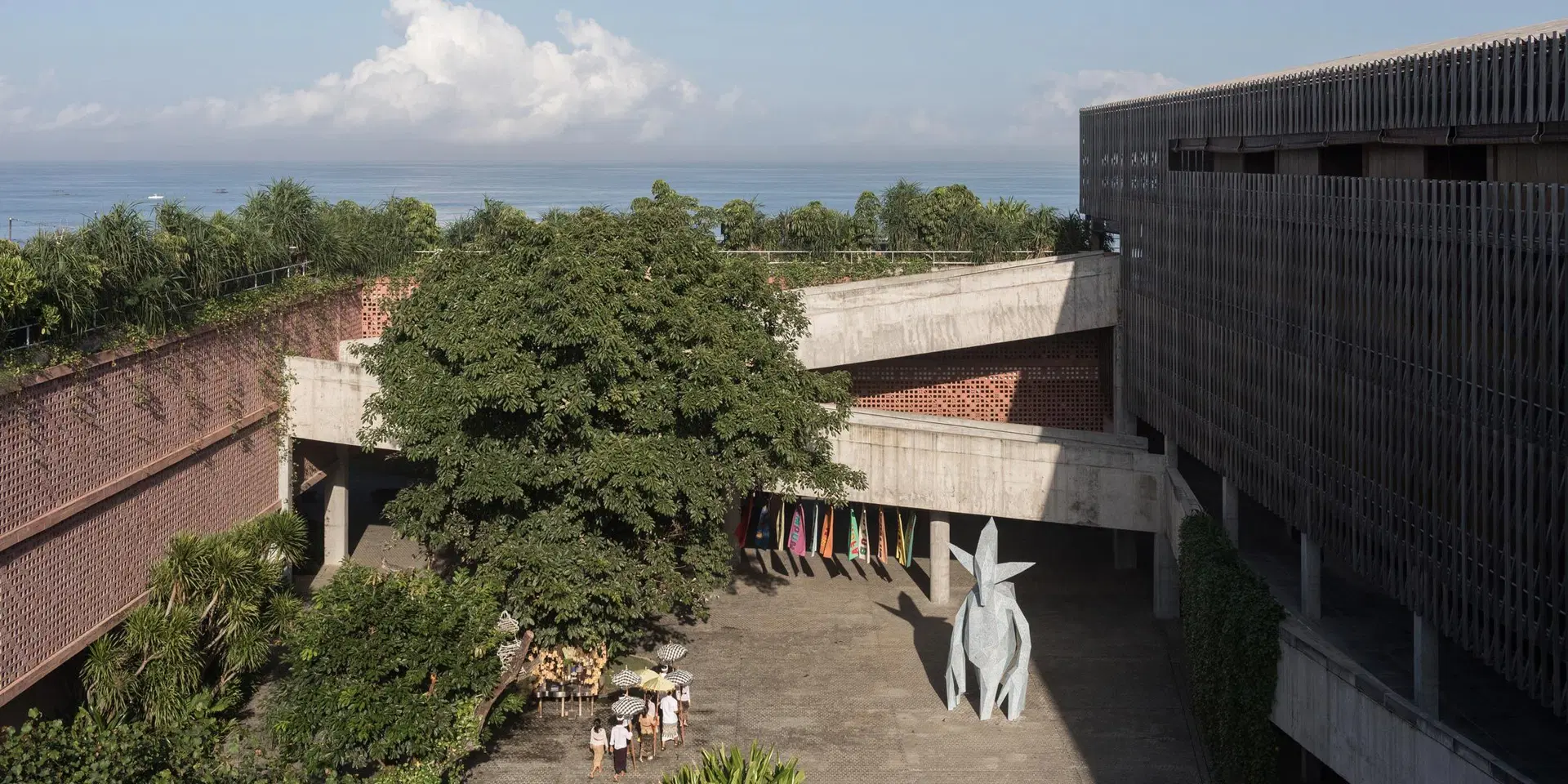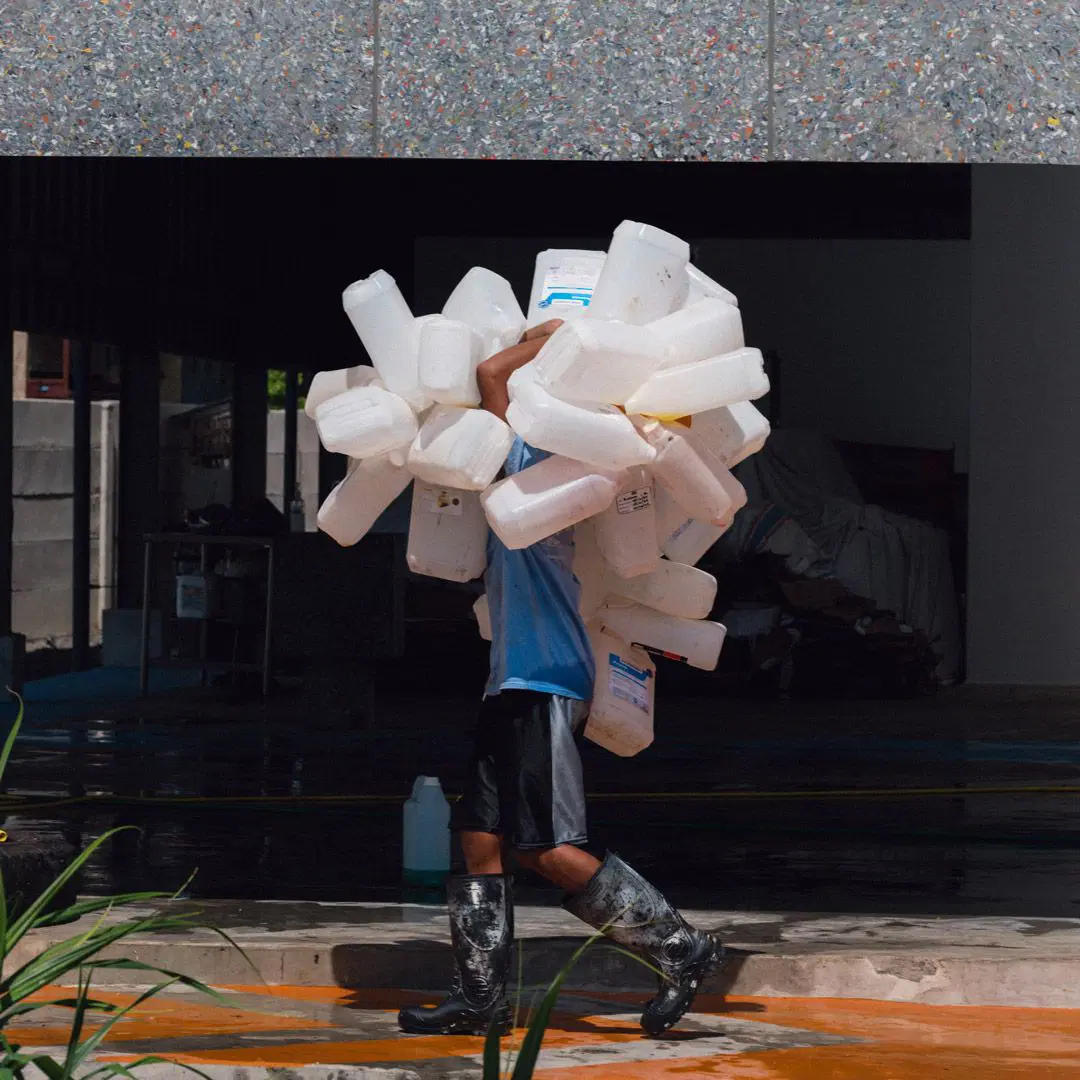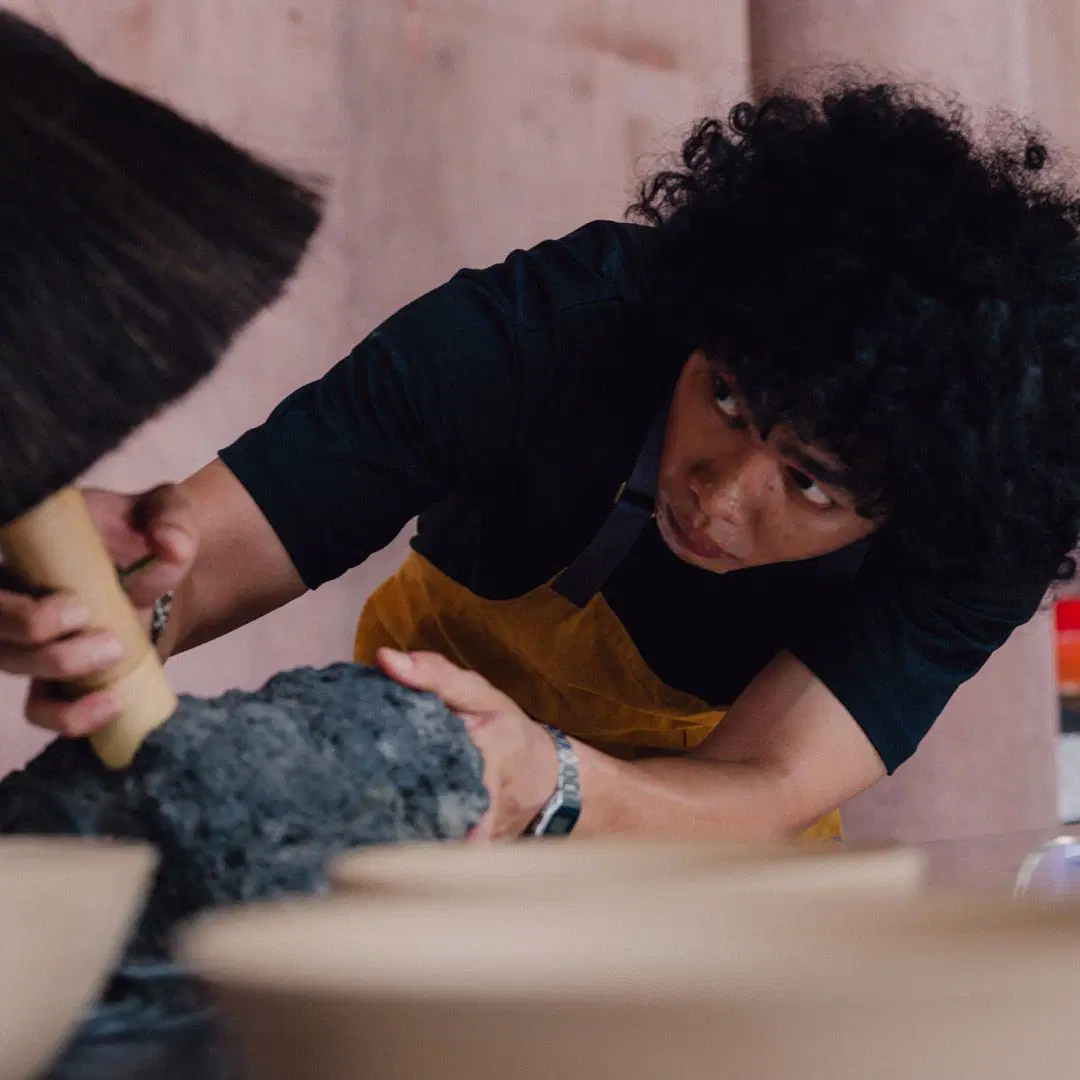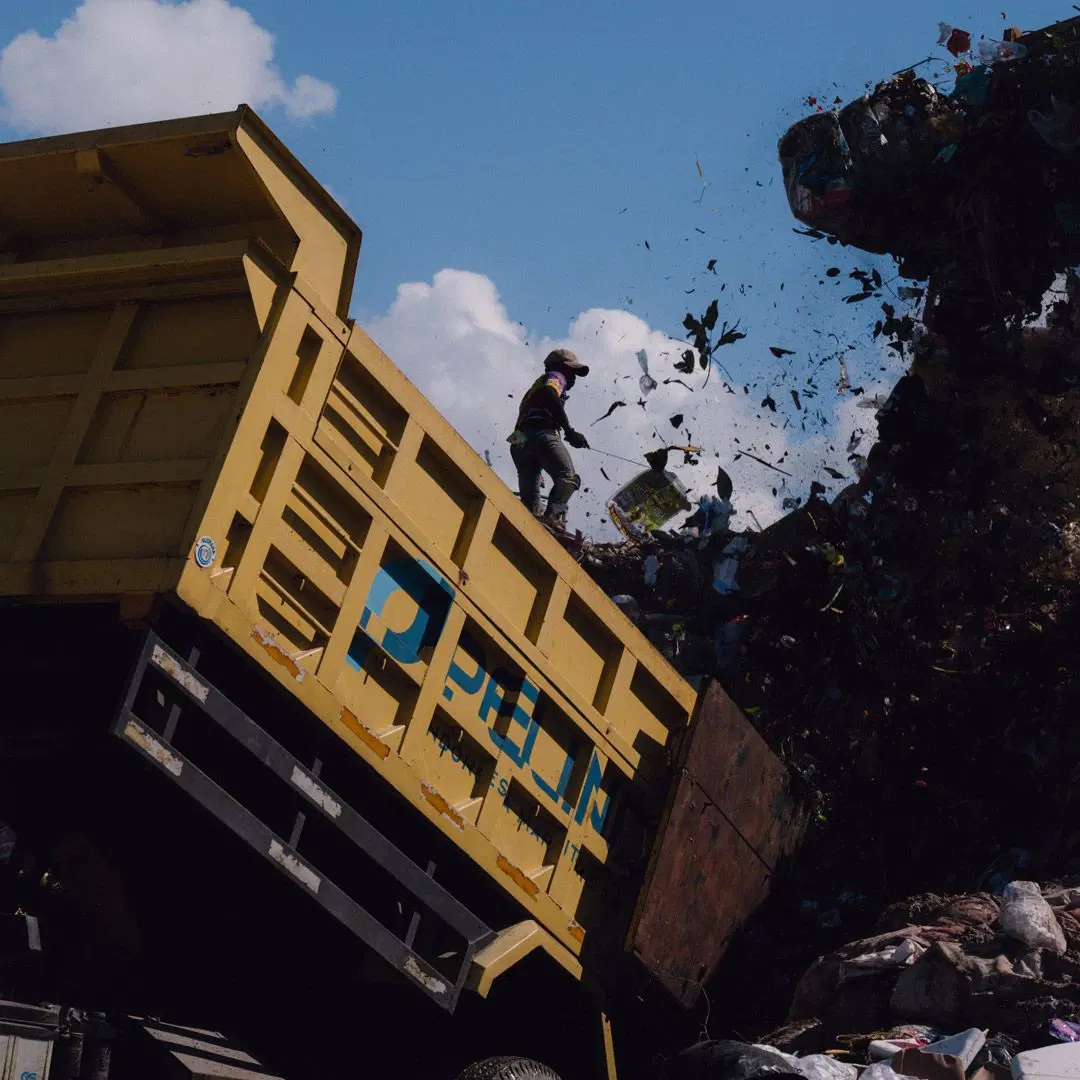
The foundation started in 2020. Bali shut down, and people couldn't work, couldn't eat. A group of our hotel team decided to do something, they turned two empty plots of land into farms. No blueprint, no budget. Just the belief that we had space, we had hands, and people needed food.
That first harvest yielded 2,306 kilos of vegetables. We cooked them into 14,798 nasi bungkus, rice wrapped in banana leaves, and brought them to orphanages and waste collectors across the island. We've been doing it every week since.
What started as emergency food support has grown into something longer. We now manage a one-hectare regenerative farm with no chemical inputs, run the island's first community waste facility, and we're farming black soldier flies to turn food waste into compost that goes back into the land.
Sweet Potato Project Foundation
The Story
What We Focus On
Farming
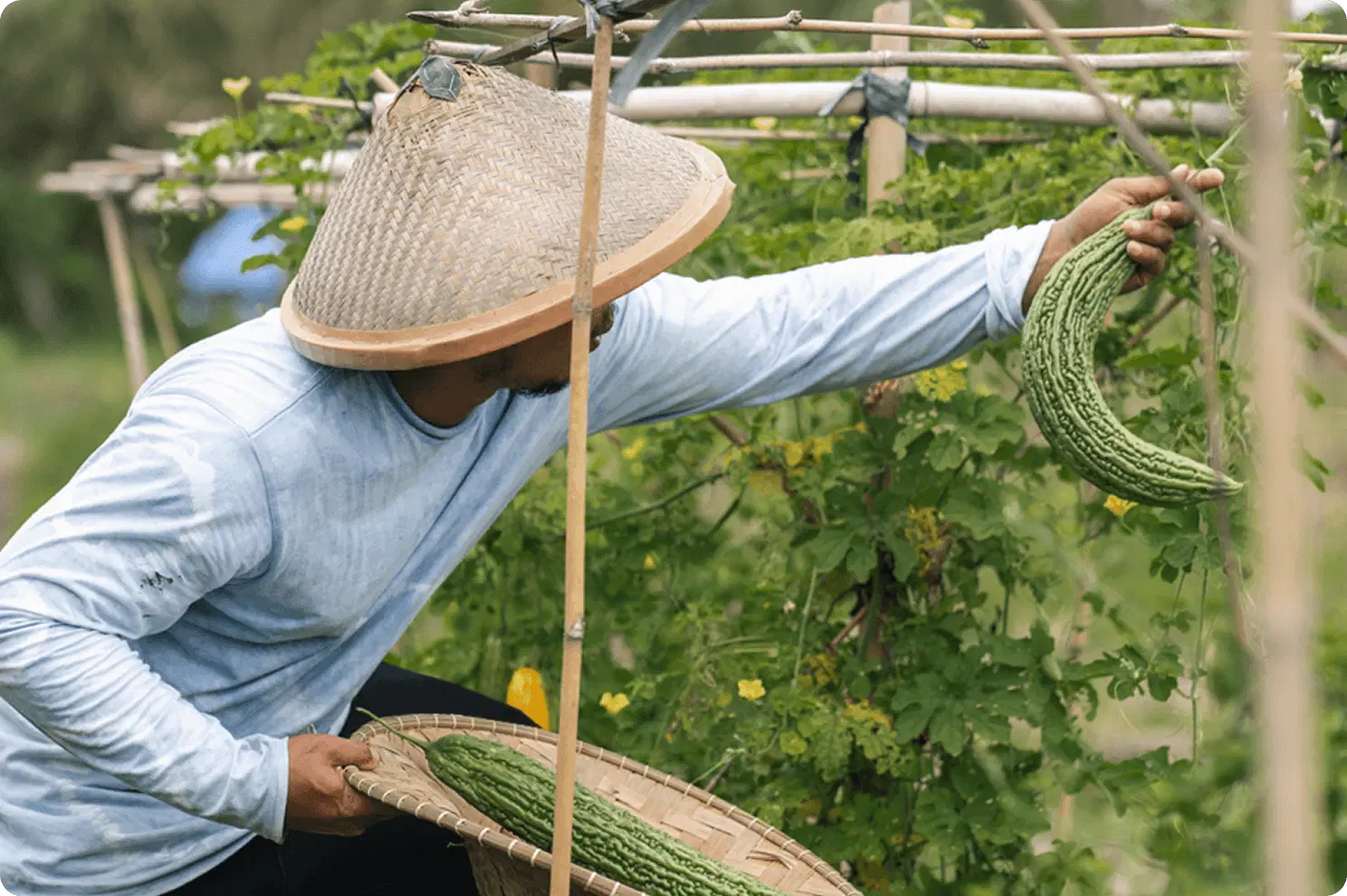
Managing a 1-hectare regenerative farm since 2020, with no chemical inputs. Harvested rice and vegetables are delivered twice weekly to orphanages and community groups.
Potato Head started reaching other farmers in Bali to implement the same regenerative farming as Sweet Potato Project farm, and so far 374 Ha of farm are transitioning to Regenerative farming.
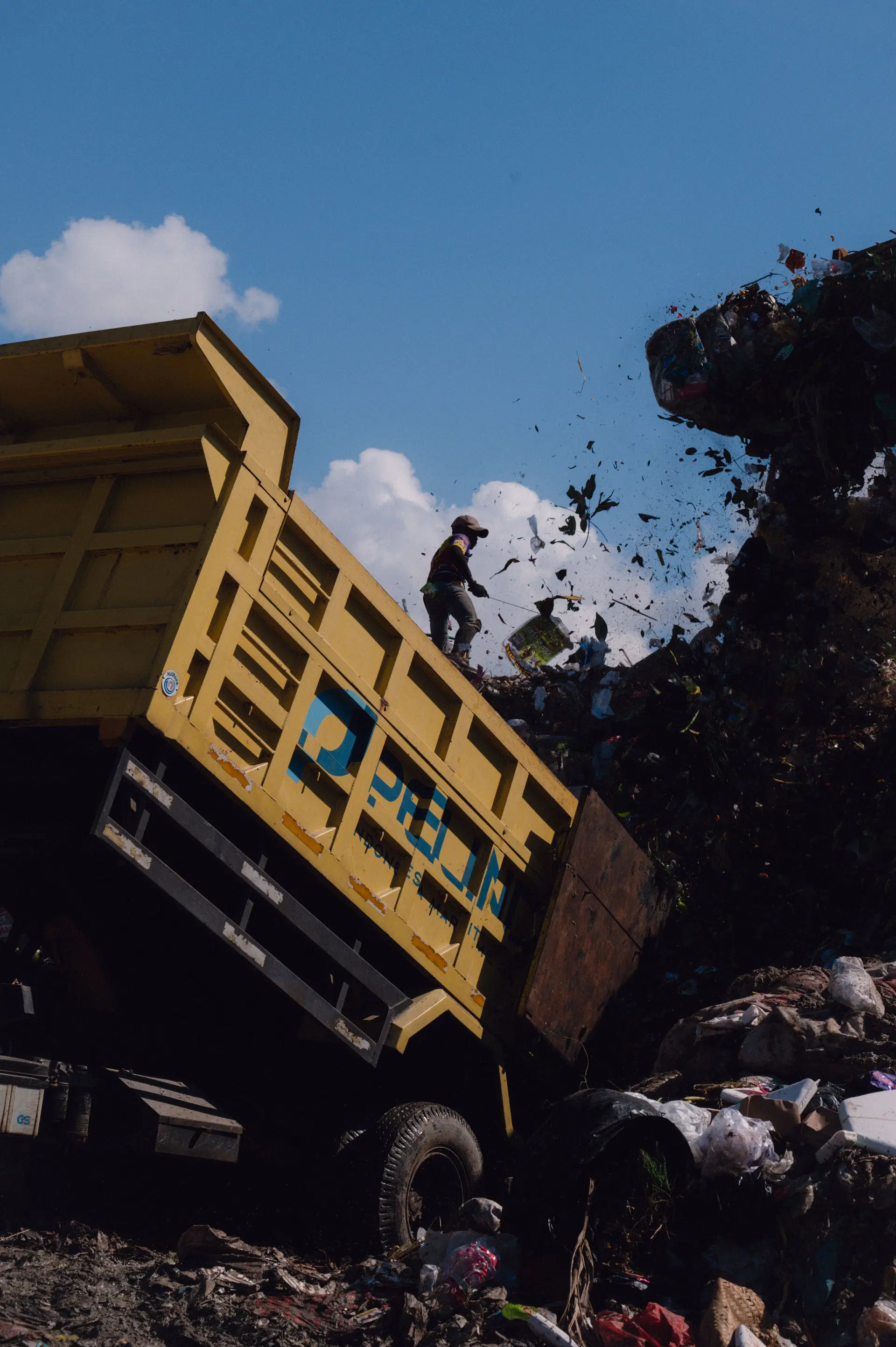
Waste Management
A non-profit community waste facility assessing systems, guiding separation of organic and non-organic waste, and helping the local Banjar to find solutions for their household waste through collaboration - including with third parties.
The Results
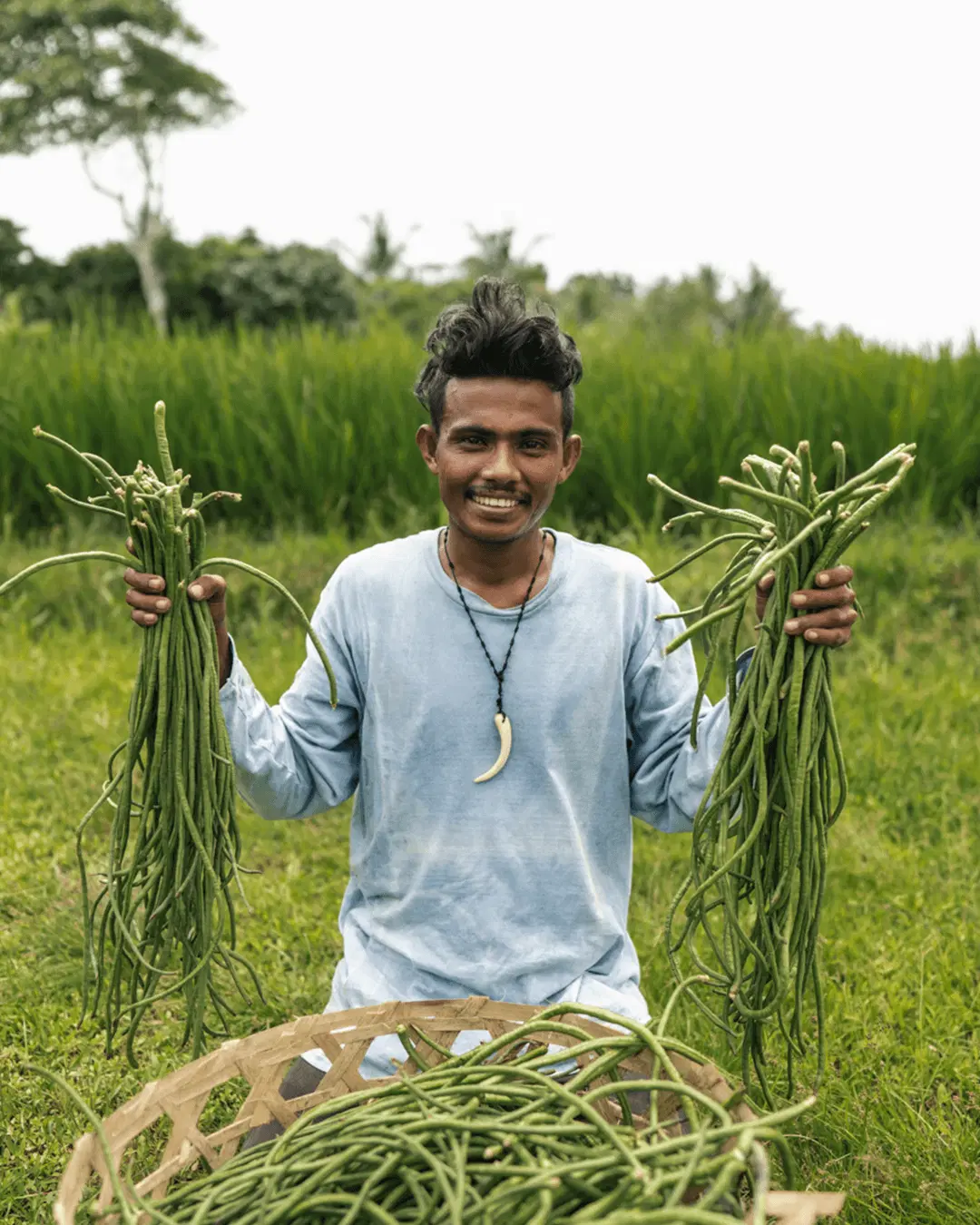
Sweet Potato Farm
Total food distribution in 2025:
43.691 packs.
Total community outreach:
11 orphanages and 5 community groups
Total rice and vegetables harvested: 5.050,89 kg
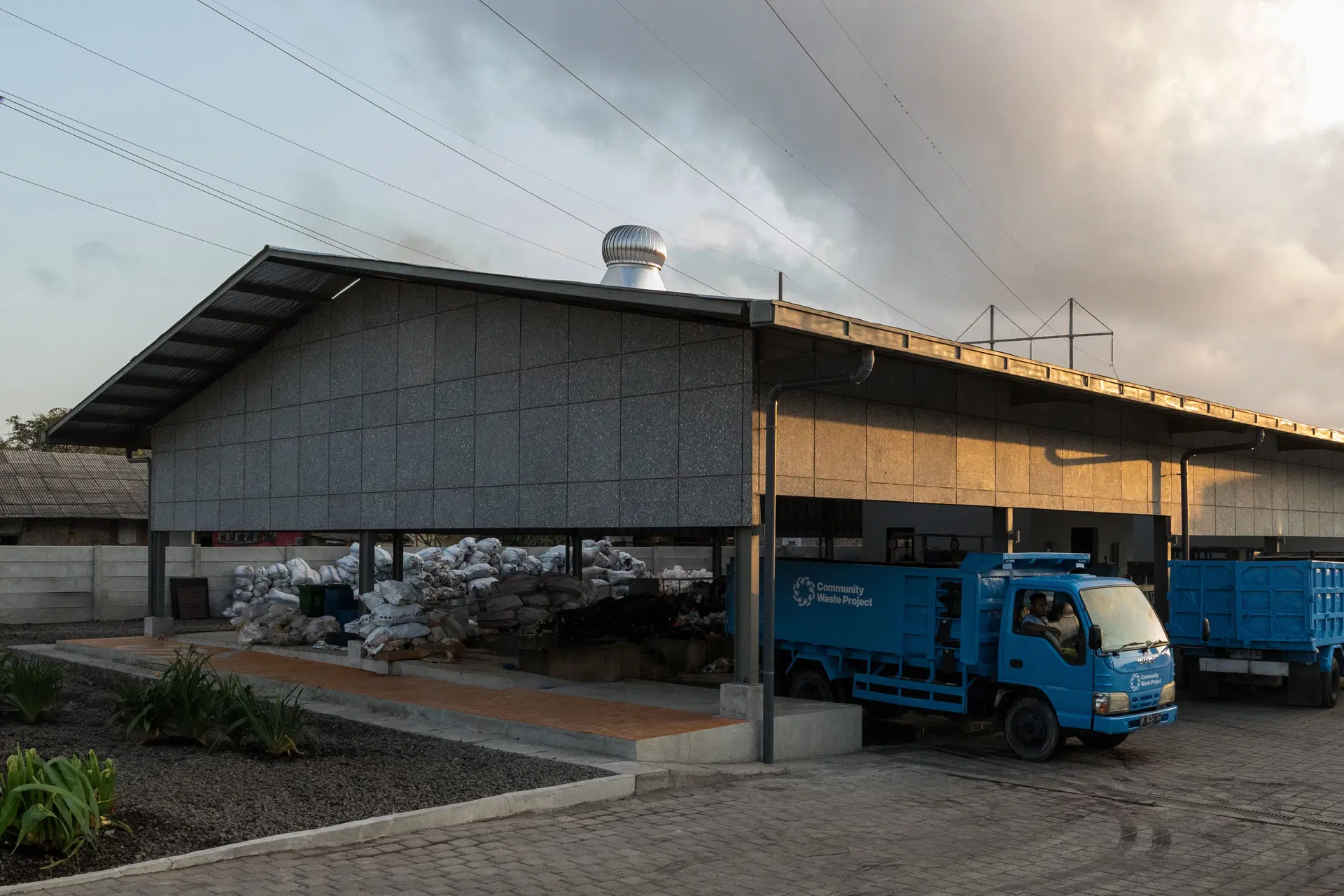
Community Waste Project
Total waste collected in 2025:
1.592.028 kg
Total waste per category:
66% organic waste
34% non-organic waste
Total members:
8 hospitality business
Our numbers are public in our annual report here
Closing the loop
We aim to create a circular system for food on the island, working with farmers to expand organic cultivation, using compost from our waste partners to enrich their land, and building a market for what they grow. The foundation is working toward full food-system circularity, from soil to table and back.
Established in 2021 under the Decree of the Minister of Law and Human Rights of the Republic of Indonesia (AHU-0028034.AH.01.04/2021), the foundation focuses on humanitarian and social initiatives rooted in care for people and place.